
Coloring Page Design
A lot of people will not be satisfied with coloring books available in stores. Thus, the creation of personalised coloring page, thus, unlocking his or her creative potential, is a good idea. It is not only a good fun activity but also satisfying to both young and old. Be it to offer a reflective task to children, or a sexual distraction to the self, one may always create colouring pages with unusual colour combinations and imagery that are more involving and purposeful than those found on the market.
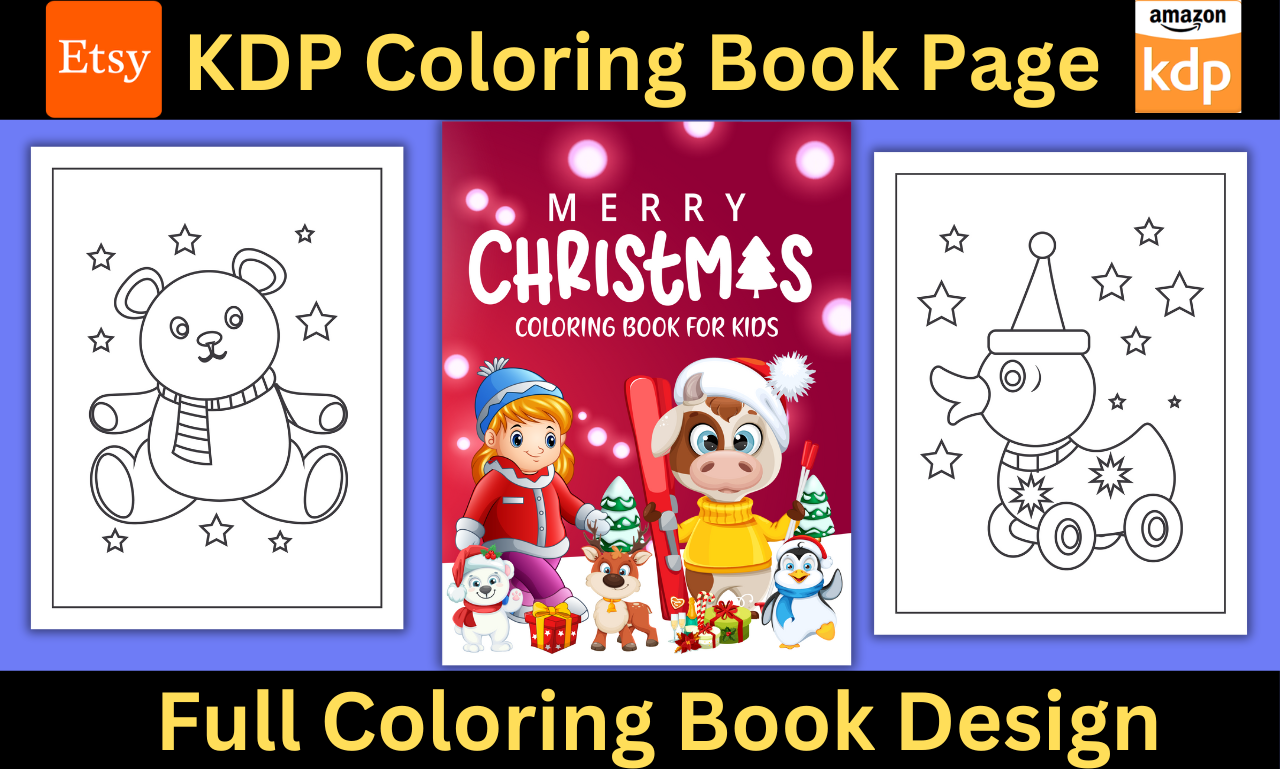






Types of Coloring Book Design Services We Offer
We offer a wide range of coloring-book design Services and these could include and are not limited to the following categories:
Coloring Page Design
40 Interior Pages
Price – $79
Book Cover Design
Front-Back cover + (PDF) paperback hard cover
Price – $45
Book Formatting and Publishing
eBook, Paperback or Hardcover
Price – $79
Amazon KDP Ads
30 Days management
Boost sales
Price – $150
Niche and Keywords
10 profitable niches
7 Keywords
Price – $59
Promote and Advertise
Promote free kindle ebook or book at website
Price -$39
Creative Ways to
Explore Coloring Page Design

Drawing Original drawings to color Page
How to Turn Photos into Printable Designs of Coloring Books
Designing Coloring Page- Online Kids
The ability to create the job of a personal coloring page online has been made easier than ever before thanks to numerous user-friendly tools. Children can have a given simple or complex page depending on their interests be it dinosaurs or favorite cartoon characters irrespective of their ages. There are many sites with free coloring pages and the interfaces are user friendly and fit this purpose well.
In younger children, one of the most useful tools would be Canva that offers a drag-and-drop interface, allowing one to create simple drawings out of basic shapes and lines. To be further automated, an AI coloring page generator also allows entering a prompt, such as a unicorn teaching dinosaurs math and generating an instantly printable page.
To create a custom coloring page online to children in brief, the following steps will be followed:
Another option would be to create drawings on a blank sheet with the help of a child-friendly tool, like Abbacy Coloring Book Maker, where it is possible to create a drawing on a blank sheet, or to import an image.
Choose a ready-made template on a design platform and personalize it using the name of the child or his or her favorite subjects.
Building a Series in Your own Coloring Book Design.
Having created some individualised colouring pages, an individual can think of creating them into a series of pages to make a novel coloring book. The use of a themed collection makes the project more professional and consistent.
Such a theme could be as innocent as a fairytale or as informative as an encyclopedia of different animals or a tour of the solar system. The coloring effect can be more interesting by combining various graphics or creating a story through the pages.
In order to make a coloring book, it is necessary to follow the following steps:
Select a Theme: Select a direct one to your book e.g. old adverts or body drawings.
Under sourcing Graphics to undertake Coloring Book Design Projects.
The coloring book does not always need to be designed quite independently. Purchasing pre-prepared graphics and artwork provides an effective option, especially in cases where the time is constrained, or one does not feel good drawing ability. There are many sources on the Internet where one can find the high quality line art and templates.
Numerous websites also provide free graphics that can be used, and the issue about licensing is removed. This is a budget viable method of making a humble DIY coloring book. There are also illustrations in public domain including old posters, and old artworks older than 87 years; with simple editing, it can be made into fancy and beautiful coloring pages.
It will surprise you to discover that there are free templates and graphics that you can use to make your coloring page design.
Public Domain Archives: Find either old illustrations of children stories or ads or even scientific illustrations.
Designing and printing high quality coloring page design at home.
|
Setting/File |
Best Use For Coloring Pages |
|
|
The best option for preserving crisp, clear lines for printing. |
|
JPG / PNG |
Good for digital sharing, but PDF is preferred for print quality. |
|
Paper Weight |
Use 90-120 gsm paper to avoid colors bleeding through. |
|
Sidedness |
Print on one side only to keep each artwork clean. |
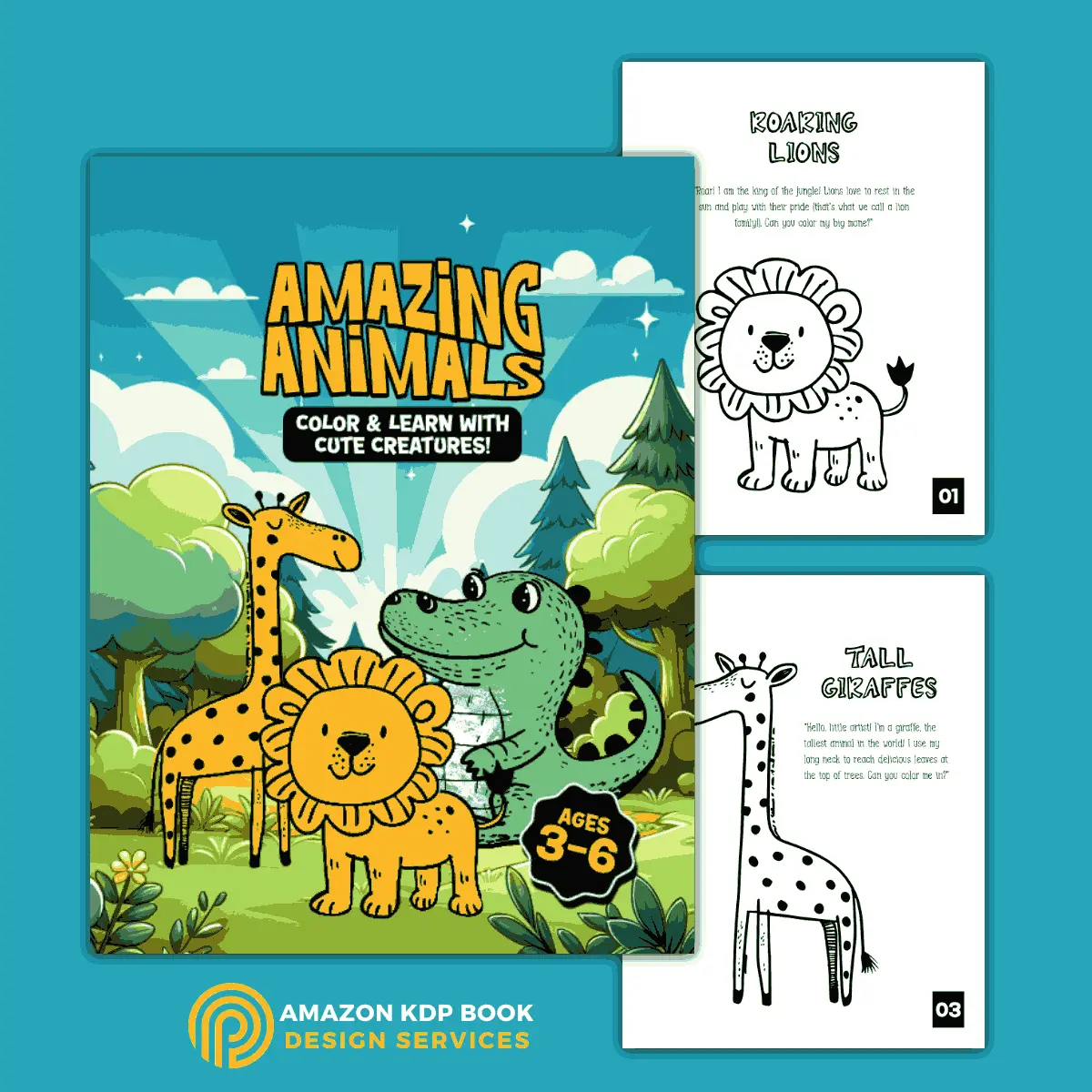
Actions to Take to Design a Coloring Book for Sale
Selling your own DIY coloring pages or a book for that matter can be a great venture. With a good coloring book maker, as well as a little market research, you can meet a product that people will love buying. Before you start it’s important that you understand your target audience and current trends. From there, you can organize your designs, prepare your files to publish your designs, and figure out your pricing. Let’s examine the main steps to be able to create a successful coloring book for sale.
Researching Popular Coloring Book Designs and Trends
To produce a good coloring book, you have to know what people want to color. Researching popular coloring book designs and trends is a very essential first step. Have a look at online marketplaces and look to see what’s selling well. Are customers seeking intricate mandalas, cute animals or something else, entirely?
Who the audience is for will be a significant factor in your theme. For kids, popular themes can be things like dinosaurs, fantasy creatures or characters inspired by anime. Don’t be afraid to niche down and create something that is unique and stands out.
The following are some trends to consider:
Mandalas and Geometric Patterns: These are a staple in the grown-up coloring books for the relaxing properties they have.\
Nature and Animals: Florals, botanicals and animals, such as dinosaurs, are always in demand.
Pop Culture: Themes inspired by movies, as well as anime and video games, are very popular with a large range of age groups.

Grouping Your Coloring Designs into a Collection
Once you have a set of coloring designs, the next thing you have to do is to organize them into a cohesive collection. A random collage of coloring sheets can be disorienting, but an organized book tells a story and is a more satisfying experience to the colorist. The important thing is to develop a look and feel throughout the book.
If you have a number of floral designs and some animal designs then consider creating two separate, smaller books rather than one mixed book. Also, organizing your collection in this manner helps define your product and makes it more attractive to a certain audience. Make sure that the line art style is the same for every page. As you organize your pages, consider how you want the flow of your pages to take place. You can build up a progression of complexity, having simpler designs and progressing to more detailed designs. Using a multi-page design tool is necessary for this part of the process because you can real easy change the order of pages until you have the perfect order for your coloring book.

Preparing Your Coloring Book Design Files for Publishing
Before you ever publish your own coloring book you need to make sure that your design files are properly prepared for printing. Professional printers have certain requirements that they ask to ensure that your book will have the best possible look. The most important thing is to save your end product, which is a multi-page document, as a high-quality PDF. While JPG or PNG files are useful, printing is industry standard with a PDF file.
You also have to pay attention to technical details such as bleed. Most printers require a 0.125” bleed, or an additional margin of your design that will extend out past the edge of the trim. This is to prevent the white lines appearing after the pages have been cut. If you’re doing a perfect bound book you’ll also need to design up a separate file for the spine and also design a full cover spread containing the front, back and spine.
It is very important to know these technical aspects before publishing. To get high resolution prints, be sure all your files are set to 300 dpi and that the files are in CMYK color mode. Clearly labeling your files e.g. “Page1”, “Page2” and “Cover” will also ensure the printing process runs smoothly.
The Art of Coloring
A Guide to Designing Your Own Coloring Pages
Sometimes creating your own coloring page is a work of art and an expressive art. This guide to coloring pages will help you walk through the whole process, from knowing what the whole thing is made up of to marketing your finished coloring pages. Think of this as your own tutorial on how to make something you began with a great idea and produced in print form, printed art. Obviously whether you are an outright newbie or possess a little bit of design experience, you will discover a number of helpful tips to get started. We’ll cover how to get some inspiration, how to sketch your first design and how to select popular themes that will elicit reactions from the colour of all ages.
01
Understanding the Basics: Key Elements of Effective Coloring Page Design
For newbies who want to create their own coloring pages from scratch, there are few things that they need to understand to begin with. The most important element is clear and clean line art. The lines must be bold enough in nature as to delineate different areas to color in. It will be a bad idea to make your lines too thin or blurry, because it will make the coloring sheets very frustrating to work with.
Another very important element is balance. This variety has the effect of keeping the colorist interested. Too much small scale detail is too much to take in, while a page containing only large simple shapes may be boring to an adult or older child. Finally, consider the above composition. How do the elements of the page sit in the page? A good design leads the eyes and is harmonious in its appearance. One thing to pay attention to is the negative space which refers to the empty spaces around your subjects — the empty space is just as important as the line art that you’ll be coloring is.

02
Finding Your Inspiration: Where to Look for Unique Coloring Page Inspiration
Every creative work begins with a flash of inspiration. Sometimes, the best ideas will arise from your own life.
You can also try to use technology to give you a creative lift. An AI coloring pages generator is a fantastic product to give your mind anything to brainstorm. Just enter something silly such as “a corgi riding a skateboard” or “a mandala made of flowers” into the system and the A.I. can generate something distinctive for you in a matter of seconds. This is a fun way of exploring unexpected concepts.
If you are capable of seeking a starting point, there are lots of resources where you could find free templates and ideas. Here’s where you can look:
Public Domain Art – Check out vibrant illustrations, posters etc of old artwork that you can use for something quite complex and beautiful.
03
Step-by-Step Process: How to Sketch Your First Coloring Page
Ready to create your very first coloring page? This simple step-by-step tutorial will guide you through the process, even if you feel you lack drawing skills. Let’s start with a digital approach using an online design tool.
First, you’ll want to set up your canvas. Most coloring books use a standard letter size, so an 8.5″ x 11″ blank page is a great place to start. From there, you can begin adding elements. Browse the platform’s library of graphics and click to add them to your canvas. You can resize, rotate, and arrange them to build a scene.
Here is a quick process to design your own coloring pages from scratch:
- Open a Blank Canvas: Start with an 8.5″ x 11″ blank page in a design tool.
- Add Graphics and Text: Choose from a library of line art graphics or add text with an outline effect.
- Arrange Your Elements: Position and resize your graphics to create a balanced composition.
- Download for Printing: Export your final design as a PDF to preserve its quality for printing.
04
Choosing Themes: Popular Concepts for Engaging Coloring Pages
Choosing the right theme is essential for creating engaging coloring pages that people will want to color. Certain themes have timeless appeal and work well for a broad audience. Think about who you are designing for—kids, adults, or a specific niche interest group—and select a concept that will resonate with them.
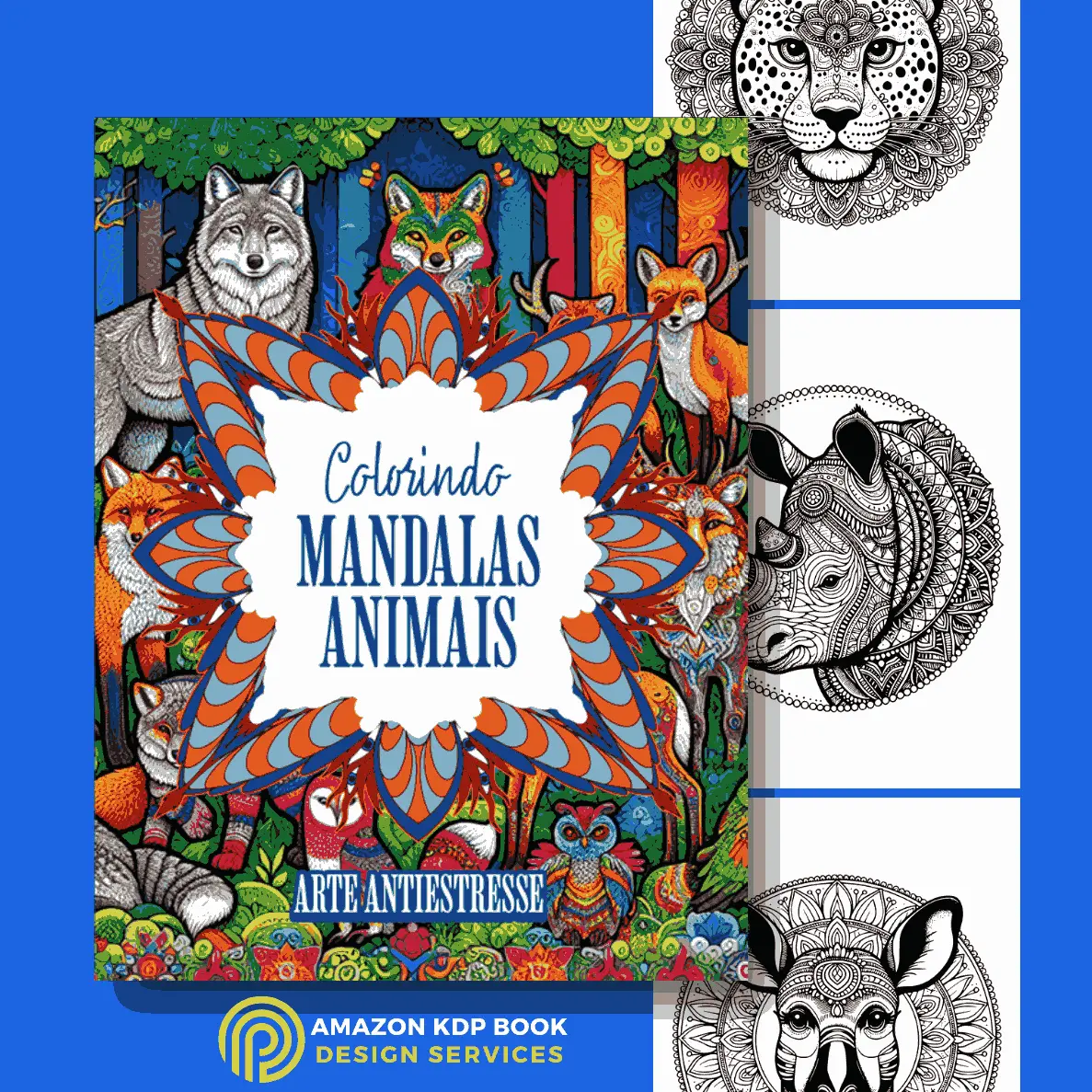
For adults, intricate patterns like mandalas and zentangles are a relaxing staple. Nature-inspired themes, including detailed floral designs, enchanted forests, and majestic animals, are also incredibly popular. These themes provide a wonderful escape and allow for a lot of creativity with color.
There are definitely specific themes that work best for coloring pages. Here are a few popular concepts:
- Fantasy and Sci-Fi: Dragons, unicorns, and pop culture-inspired characters from anime or sci-fi are big hits.
- Animals: From cute farm animals for kids to realistic wildlife for adults, animal themes are always a safe bet. A dinosaur coloring page is a classic choice for children.
- Travel and Landmarks: Pages featuring famous cityscapes, monuments, or cultural patterns can transport colorists around the world.
05
Marketing Your Creations: Strategies for Promoting Your Coloring Page Designs
Once you’ve created your amazing DIY coloring pages, it’s time to share them with the world. Effective marketing is key to reaching a wider audience and turning your creative hobby into a successful venture. One of the best ways to start is by setting up an online shop on a platform that’s popular with creative entrepreneurs.
Social media is another powerful tool for promotion. Share images of your coloring page designs, and even show time-lapse videos of you coloring them in. Engage with your followers by asking for theme suggestions or running contests. This helps build a community around your work. Platforms like Printify can also help by handling printing and shipping for physical products.
Wondering how to market your coloring page designs effectively? Here are some strategies:
- Sell on E-commerce Platforms: Open a shop on sites like Etsy or Shopify to sell your digital downloads or physical books.
- Use Social Media: Promote your work on Instagram, Pinterest, and Facebook to reach potential customers.
- Collaborate with Bloggers: Partner with parenting or craft bloggers to review your coloring pages.
- Offer Freebies: Provide a few free printable coloring pages on your website to attract new customers and build an email list.
FAQs
Frequently Asked Questions
How can I customize coloring designs for special occasions?
To customize coloring designs for special occasions, use online tools to add names, dates, or special messages. You can turn a photo from the event into a personalized coloring page or use an AI coloring page generator with a festive prompt. Many platforms also offer templates for holidays and birthdays to get you started quickly.
What should I know before publishing my own coloring book?
Before publishing, understand your file requirements. Prepare a high-quality, multi-page PDF with proper bleed and resolution (300 dpi). Research printing and binding options, decide on your pricing, and choose a distribution channel, whether it’s self-publishing for online sales or working with a print-on-demand service.
Are there specific themes or styles that work best for coloring pages?
Yes, certain themes are very popular. For adults, mandalas, floral patterns, and nature scenes are a staple. For kids, themes like dinosaurs, fantasy creatures, and characters inspired by anime or cartoons work very well. The best style depends on your target audience, from simple outlines for toddlers to intricate coloring sheets for adults.